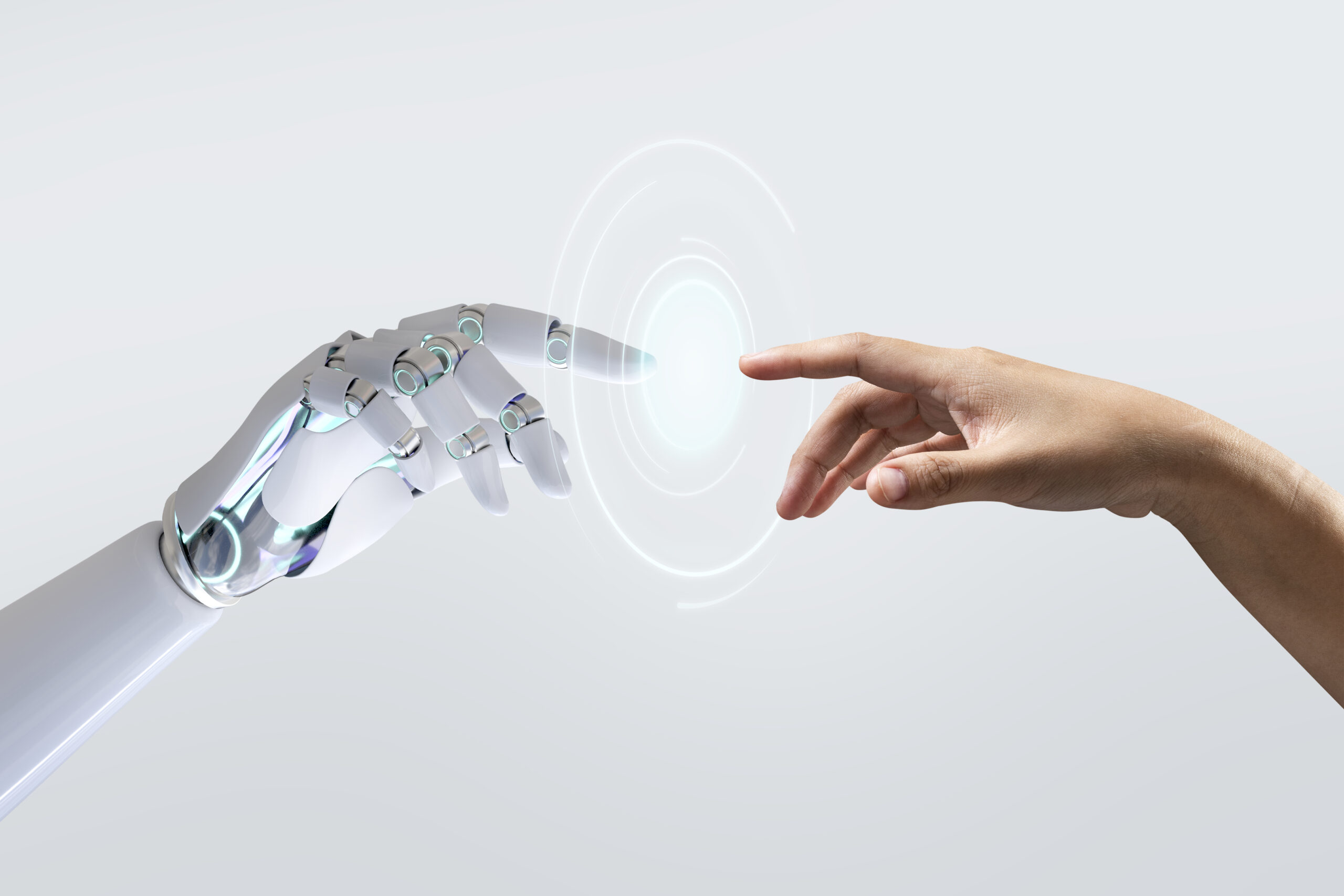
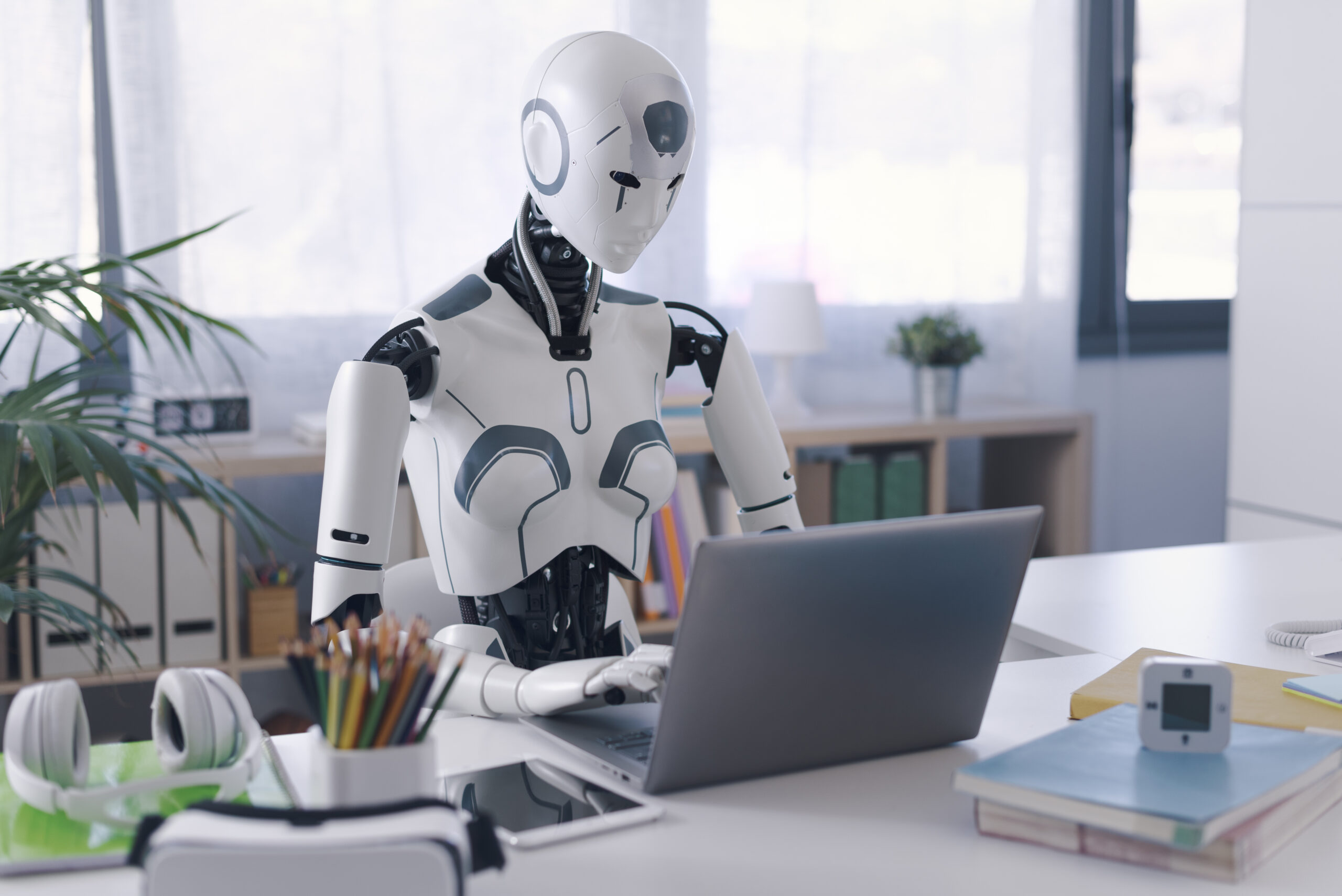
Manufacturing is on the cusp of a profound transformation. At the heart of this change lie Artificial Intelligence (AI) and Machine Learning (ML). These technologies are no longer emerging concepts; they are practical tools that sharpen decision-making, reduce risks, and prepare businesses for the unpredictable challenges of a global market.
Why AI Has Become Essential
Unlike traditional automation, which rigidly follows rules, AI and ML continuously learn and adapt. Each new dataset makes systems smarter and more agile.
Recent industry insights highlight the scale of change:
- 93% of manufacturers now view AI as critical to their growth strategy.
- Facilities leveraging 5G have recorded productivity improvements of up to 30%.
- AI-driven process automation can trim operational costs by around 20%.
For both global enterprises and smaller players, embracing AI has shifted from being a competitive advantage to being a necessity.
Emerging Trends Shaping 2025
The next wave of technological adoption is already underway:
Deep Learning as a Foundation
Neural networks are reshaping prediction and diagnostics:
- Detecting subtle defects, like microfractures, with near-instant precision.
- Improving accuracy as more operational data is fed into models.
- Reinventing supply chains by forecasting demand and managing inventory with data-driven insights.
IIoT and Edge Computing Take Centre Stage
The Industrial Internet of Things (IIoT) combined with edge processing, creates “smarter” shop floors:
- Sensors stream real-time machine data continuously.
- RFID ensures robust traceability across logistics operations.
- Localised computing reduces dependency on central servers and ensures faster responses.
Generative AI for Product Design
Design innovation is accelerating at an unprecedented pace:
- Thousands of prototypes can be simulated digitally in minutes.
- Material use is optimised, leading to less waste and lower costs.
- Customisation at scale is becoming a viable reality for manufacturers.
Tangible Benefits Across Operations
AI and ML are being deployed in practical ways that reshape everyday manufacturing:
- Predictive maintenance helps avoid costly downtime.
- Computer vision strengthens quality assurance by detecting hidden flaws.
- Supply chain optimisation minimises bottlenecks and delivery delays.
Beyond Automation: A New Manufacturing Paradigm
AI is not just about speeding up repetitive tasks; it represents a mindset shift:
- Production systems can adapt instantly to market fluctuations.
- Maintenance evolves from reactive to preventive, cutting costs and extending equipment life cycles.
- Workflows become leaner, faster, and smarter.

Barriers to Implementation
Integrating AI is not without obstacles:
- Data quality remains a determining factor – poor inputs create unreliable outcomes.
- Cybersecurity risks grow as systems become more interconnected.
- Vendor lock-in raises cost and flexibility concerns.
- Legacy infrastructure often demands phased transitions.
Competitive Advantages
When deployed strategically, AI unlocks lasting business value:
- Real-time insights make manufacturers more responsive to change.
- Mass customisation is now scalable and affordable.
- Collaborative decision-making between humans and AI boosts productivity.
- Sustainability gains come through reduced energy consumption and smarter use of resources.
Final Thoughts
Artificial Intelligence and Machine Learning are not optional add-ons – they are becoming the core framework of modern manufacturing. Companies that fuse intelligent automation with human expertise will be the ones that lead in agility, efficiency, and resilience.
The factory of the future isn’t defined solely by what it makes, but by how intelligently it operates.
FAQ
Which roles are most at risk of automation by 2030?
Cashiers, call centre staff, data entry clerks, and some legal assistants, like paralegals.
What long-term shifts will AI bring?
AI will permeate nearly every industry – from healthcare to logistics – while also sparking debates around ethics, employment, and governance.
How does AI improve product quality?
By using computer vision to inspect products in real time, detecting flaws invisible to the human eye.
Why is predictive maintenance such a game-changer?
It prevents breakdowns, reduces repair costs, and extends the service life of equipment.