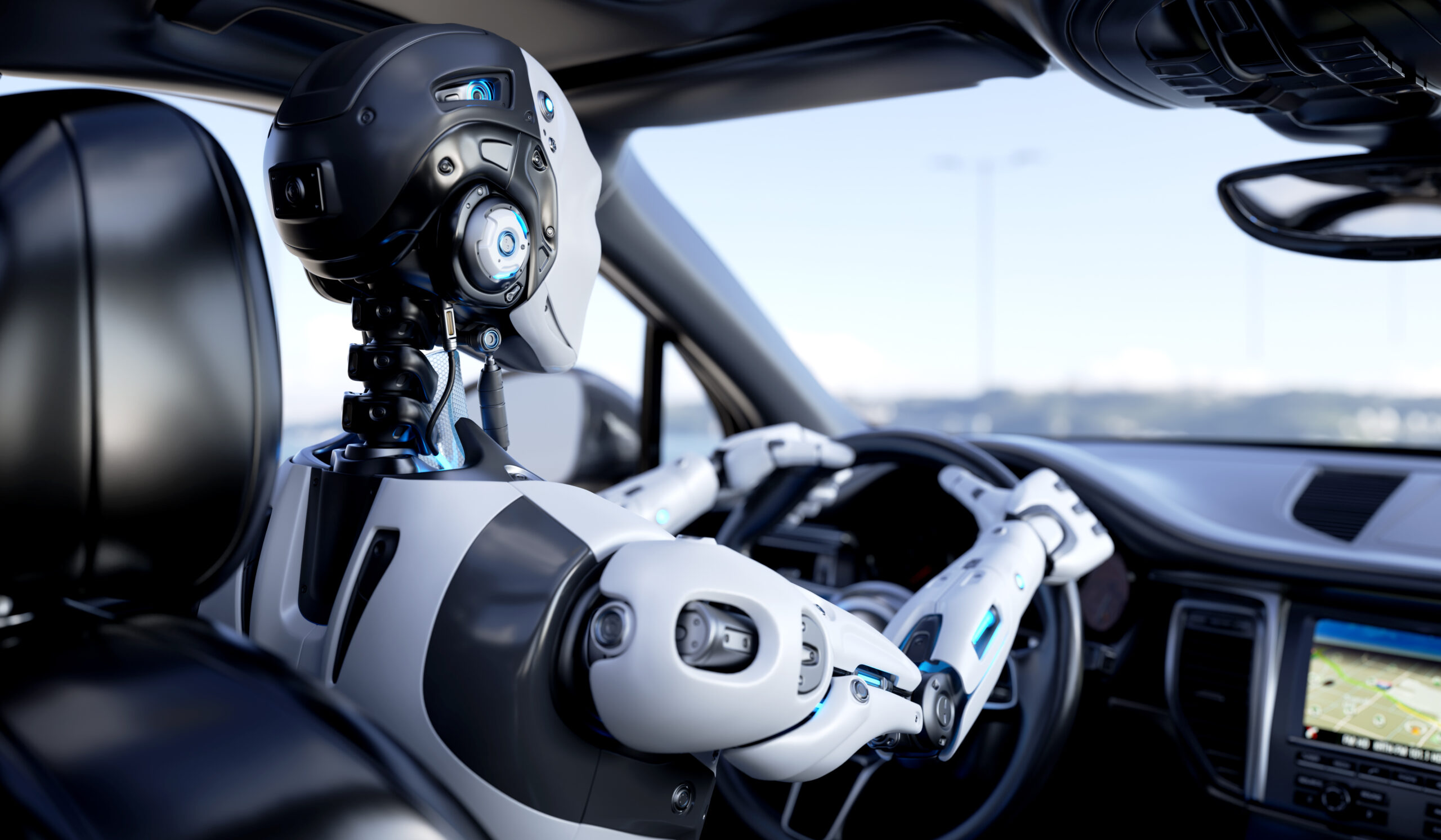
Automation is no longer a vision for the distant future — it’s here, and it’s reshaping how organisations function every day. Robotic Process Automation (RPA) has already proven it can remove repetitive, time-consuming work from employees’ plates, boosting accuracy and speed. Now, with AI integration, RPA is stepping into an era of intelligence, adaptability, and limitless potential.
From Task Execution to Strategic Advantage
RPA uses software bots to carry out digital tasks that follow clear rules. Whether it’s processing purchase orders, updating customer records, or migrating data between systems, these bots work tirelessly without breaks or errors.
Why it matters:
- Processes run faster and cost less
- Compliance and accuracy improve
- Employees gain time for creative and strategic work
The global market for RPA is projected to hit USD 50.50 billion by 2030, fuelled by adoption across leading economies such as the US, Germany, India, Japan, and China.

Where RPA Delivers Results
Today, RPA is driving measurable value in:
- Finance: invoice processing, reconciliations, compliance reporting
- Healthcare: appointment scheduling, patient record management
- Retail & eCommerce: order fulfilment, returns, inventory updates
- HR: onboarding, payroll, benefits administration
- Logistics: shipment tracking, warehouse optimisation
Thanks to low-code platforms, even non-technical staff — so-called “citizen developers” — can design and deploy automation to meet their team’s needs.
Key Trends Shaping RPA’s Next Phase
- Intelligent Process Automation (IPA) — RPA enhanced with AI, natural language processing, and machine learning for smarter decision-making.
- Cloud-native RPA — scalable, secure, and location-independent automation, often delivered as RPA-as-a-Service.
- Robotic Desktop Automation (RDA) — desktop-based bots that support employees in real time during their daily work.
These innovations are pushing automation from static execution toward intelligent collaboration.
Beyond the Usual Suspects
Sectors outside traditional tech are embracing RPA. Agriculture uses it for production reporting; healthcare deploys it for patient data integration; logistics applies it to order processing and inventory control. The appeal is universal: cut costs, improve speed, and reduce human error.
The AI + RPA Advantage
When AI meets RPA, bots gain the ability to:
- Understand unstructured data
- Interpret human language
- Make context-driven decisions
- Learn and improve continuously
This evolution turns automation into a cognitive partner for human teams, not just a background process runner.
RPA for Growing Businesses
Small and medium enterprises can now adopt RPA through cost-friendly tools like UiPath, Automation Anywhere, Microsoft Power Automate, and Blue Prism. For SMBs, RPA offers:
- Productivity gains without extra hires
- Higher quality output
- Operational flexibility
- A competitive edge in crowded markets
The Role of Technology Leaders
CIOs and IT managers ensure RPA is deployed strategically — selecting the right processes, maintaining security, and preparing teams for a blended human–machine workflow.
Frequently Asked Questions
What’s the future of RPA?
Bots will be more intelligent, context-aware, and capable of handling complex, real-time decision-making with the help of AI.
What processes can RPA automate?
Payroll, HR onboarding, call centre operations, order processing, website scraping, and data migration are among the most common.
How does IPA differ from RPA?
RPA automates predefined, repetitive work; IPA integrates AI to optimise those processes and manage more complex workflows.
Will RPA expand into non-tech industries?
Yes — industries from healthcare to agriculture are already using it to improve accuracy, speed, and cost efficiency.
RPA is no longer just about automating simple tasks — it’s about creating intelligent systems that work alongside people, transforming operations and positioning businesses to thrive in the years ahead.