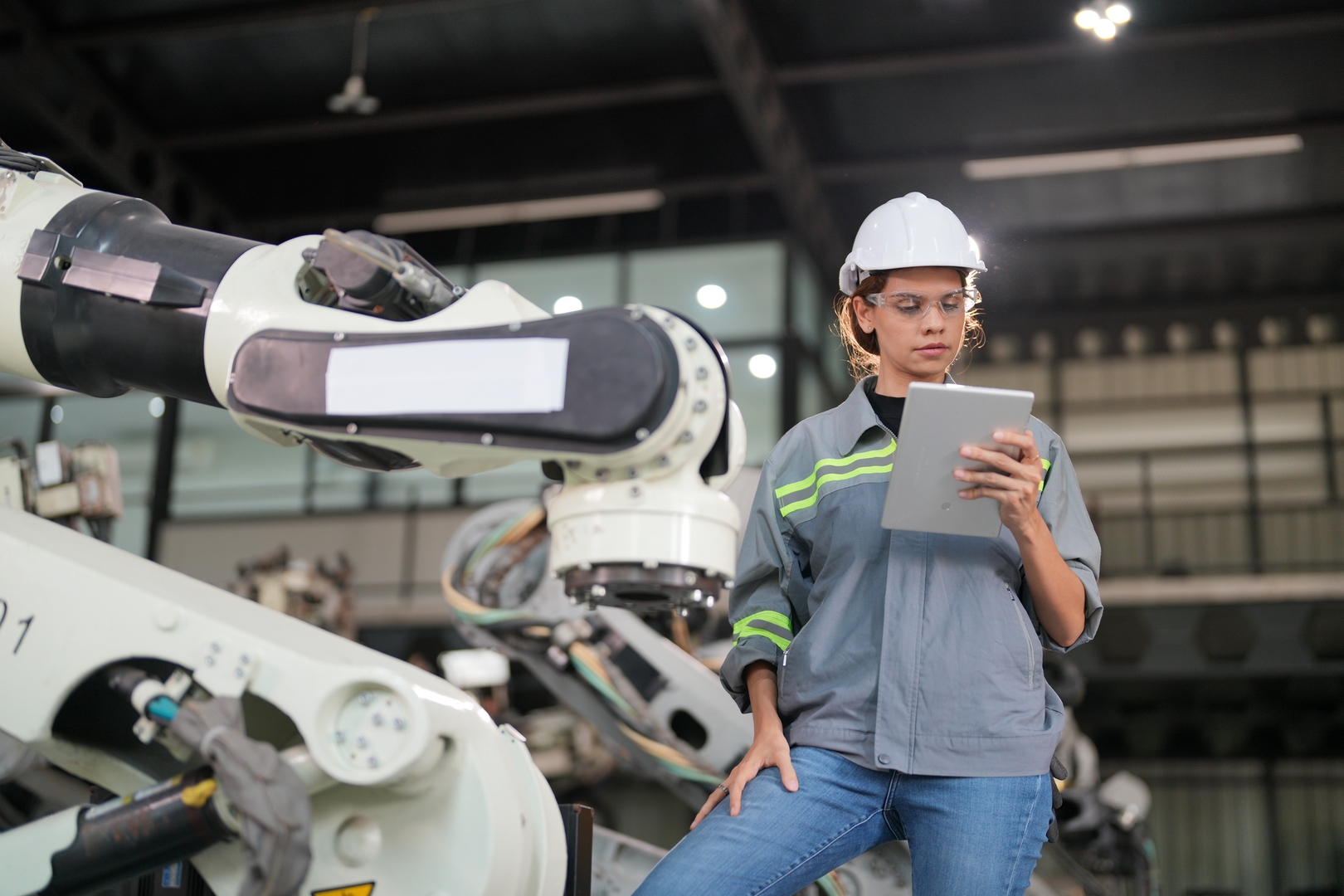
Artificial intelligence (AI), together with computer vision, has become the silent engine of today’s industrial transformation. What once required human judgment, careful inspection, or routine maintenance is now executed by systems that “see,” interpret, and act in real time. These technologies form the backbone of Industry 4.0, weaving automation, precision, and prediction into every sector – from factories and hospitals to fields and warehouses.
Machines That Can See
At its core, computer vision grants machines the power to process visual information, much like the human eye, but with the tireless consistency of algorithms. With it, companies can:
- Identify products or flaws instantly,
- Understand images and video streams on the spot,
- And make split-second decisions that reduce waste and improve safety.
This shift means fewer accidents on factory floors, smoother production cycles, and operations that learn continuously.
Where Vision Meets Industry
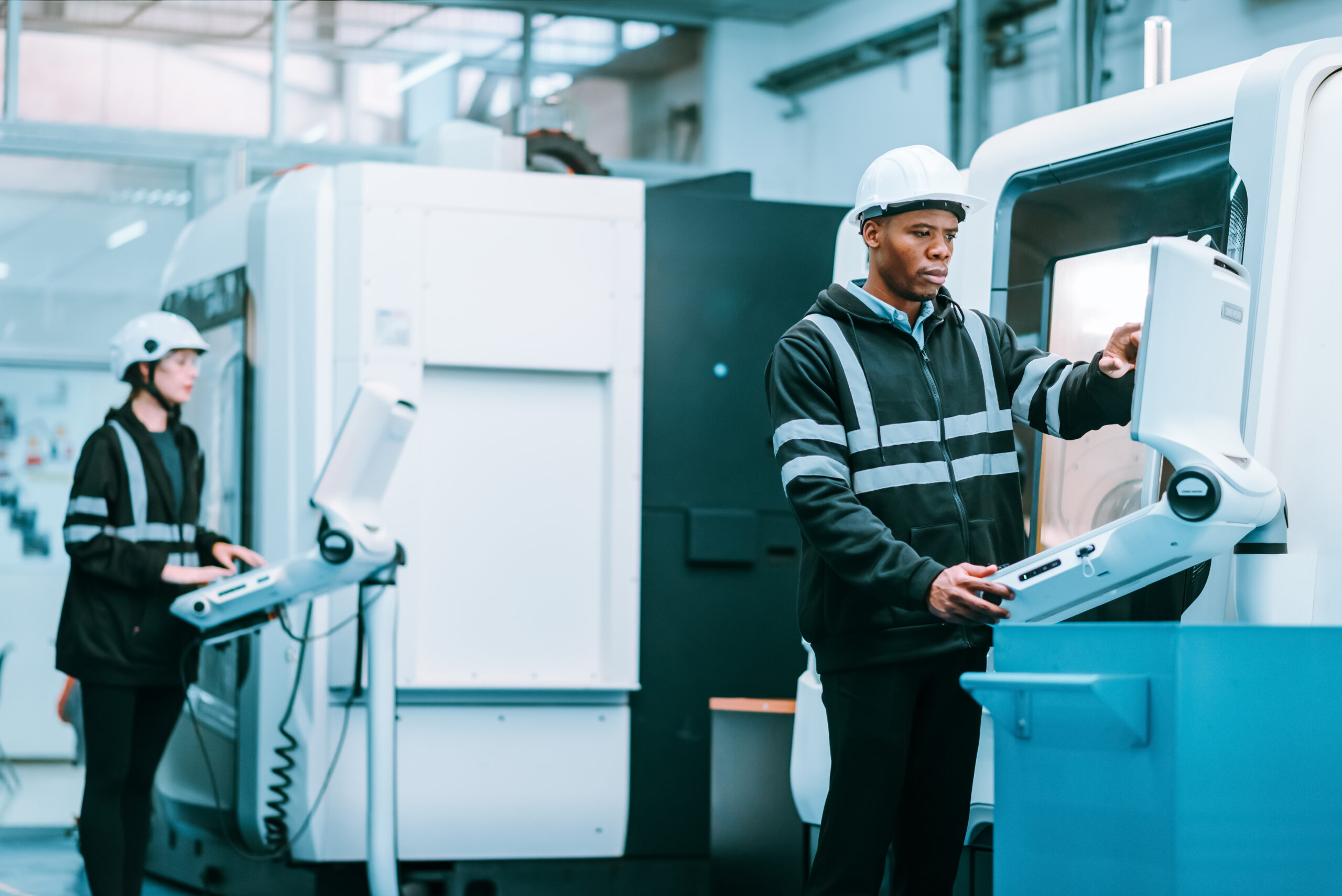
Smarter Manufacturing
Imagine an assembly line where cameras never blink. Vision systems detect scratches, misalignments, or faulty circuits that humans might miss. Companies like FOXCONN already employ solutions that spot more than a dozen defect types automatically – saving costs and protecting quality.
Healthcare with Sharper Eyes
In medicine, AI-driven imaging tools scan X-rays, MRIs, and CTs, spotting cancer cells or hidden anomalies earlier than traditional methods. Doctors gain a second set of “superhuman eyes,” leading to faster and more reliable diagnoses.
Surveillance Reimagined
Security is no longer reactive. Computer vision allows cameras to track unusual behaviour in real time, flagging threats before they escalate. In traffic management, the same principles apply – systems read congestion patterns and adjust lights dynamically, reducing accidents and delays.
Agriculture in High Definition
Farmers now deploy drones equipped with advanced cameras to scan crops for pests or diseases. These aerial insights allow them to act precisely where needed, cut losses, and predict harvest windows with remarkable accuracy.
Electronics and Logistics
Whether it’s inspecting tiny solder points on a circuit board or guiding autonomous forklifts in warehouses, vision-driven systems reduce downtime and keep supply chains humming.
Tools Behind the Curtain
The progress doesn’t happen by magic. Open-source platforms like OpenCV and advances in machine learning power these capabilities. By training models to recognise patterns and deviations, industries unlock real-time decision-making once thought impossible.
The Road Ahead
The future promises even bolder capabilities:
- Healthcare: Deep learning models will pinpoint tumours earlier and more precisely than ever.
- Automotive: Vehicles won’t just see pedestrians – they’ll predict their next steps.
- Edge Computing: Data processed directly on-site, not in distant clouds, will eliminate delays.
- Augmented Reality: Surgeons may soon overlay live patient data during procedures; shoppers will “try on” outfits virtually at home.
These trends blur the line between science fiction and everyday practice.
Challenges and Responsibilities
Yet, as with any revolution, questions arise. Facial recognition, for instance, boosts security but sparks debates about privacy and surveillance. Algorithms, if trained on biased data, risk perpetuating inequalities.
Meanwhile, the workforce faces disruption: repetitive jobs may fade, but entirely new roles – AI engineers, data specialists, robotics experts – will emerge. The real challenge lies in balancing efficiency with fairness, and innovation with ethics.
Conclusion
Computer vision and AI are no longer distant promises; they are active forces shaping our industries and lives. From safer roads and smarter factories to healthier patients and sustainable farming, these systems redefine what’s possible. The real question isn’t if they’ll transform our world – it’s how far that transformation will reach.
FAQ
What does AI bring to computer vision?
It enables machines to interpret and act on visual data, driving automation and efficiency.
How are industries like manufacturing and healthcare benefiting?
Factories automate quality control and predict maintenance needs, while hospitals improve diagnostics, cancer detection, and surgical precision.
What challenges exist in adoption?
Data privacy, ethical use, system integration, and algorithmic fairness remain pressing issues.
What’s next for this technology?
Expect rapid growth in edge computing, augmented reality, and generative AI – expanding the horizons of industrial innovation.