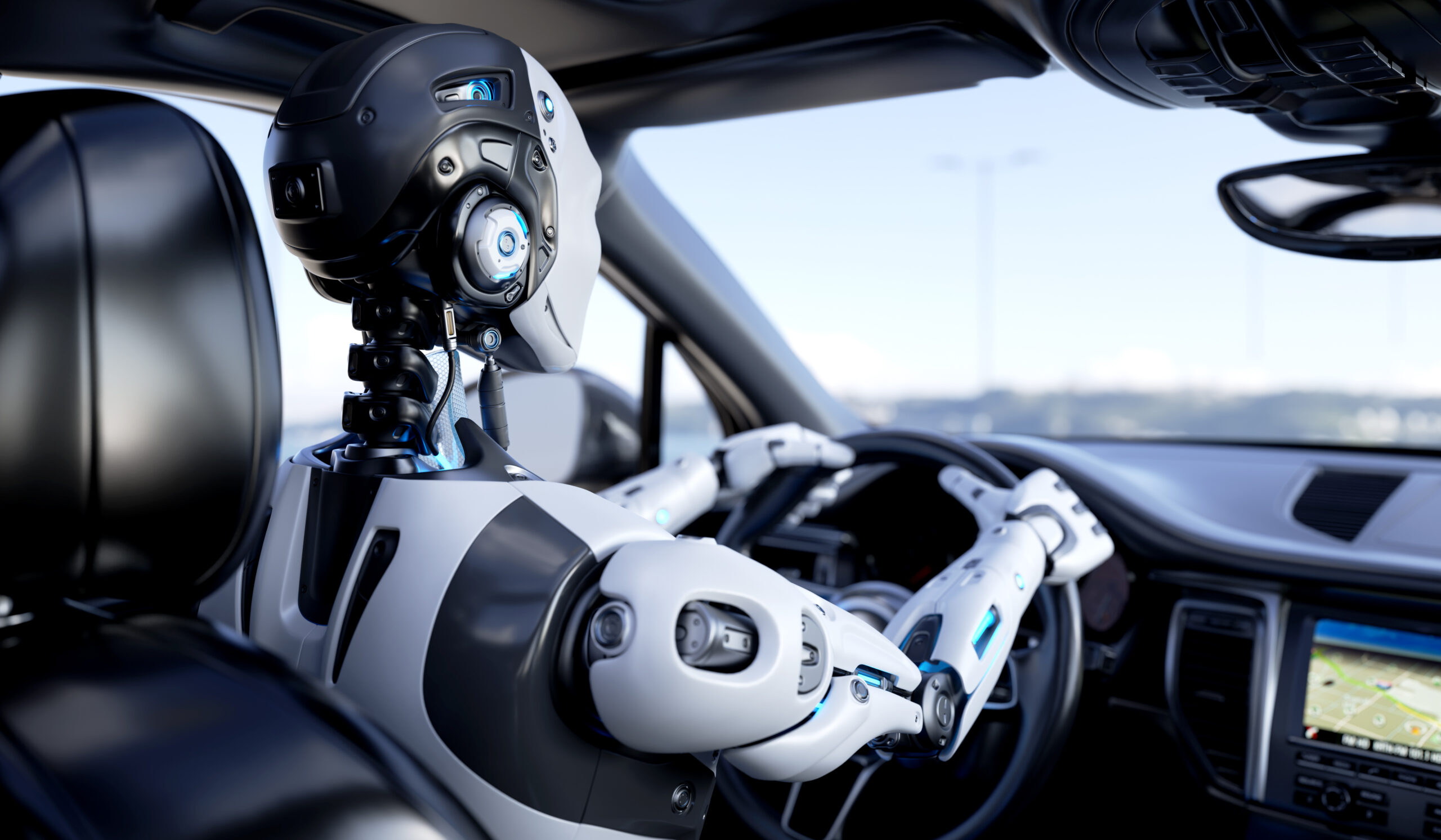
Digital transformation is no longer just “going digital” — it’s a complete reinvention of how companies operate, compete, and connect with customers. The force accelerating this shift? Artificial Intelligence.
AI is not a sidekick in transformation; it’s the core engine that enables speed, scale, and smarter decision-making. With AI, businesses can automate complex workflows, adapt instantly to new data, and deliver customer experiences that feel personal — even when serving millions.
Why AI Changes the Game
Unlike traditional automation that follows static rules, AI learns, adapts, and improves with every interaction. Its key capabilities include:
- Machine Learning (ML) – uncovers patterns and evolves over time.
- Natural Language Processing (NLP) – understands and responds to human language.
- Computer Vision – interprets images and visual data.
- Deep Learning – handles complex, high-volume data analysis.
This adaptability turns rigid systems into living, learning operations that can pivot as market conditions shift.
Tangible Business Benefits
When embedded in digital transformation strategies, AI delivers:
- Faster, smarter decisions – processing huge datasets in real time to guide action.
- Predictive insight – spotting risks or opportunities before they surface.
- Profit growth – automating repetitive tasks to cut costs and free human talent.
- Advanced analytics – finding trends, anomalies, and opportunities others miss.
- A 360° customer view – integrating data from multiple touchpoints for hyper-personalisation.
Customer Experience: AI’s Frontline Impact
In the new competitive landscape, customer experience is a primary differentiator — and AI is raising the standard:
- 24/7 multilingual service through chatbots and virtual assistants.
- Proactive engagement that solves problems before customers notice them.
- Personalised journeys based on behaviour, history, and preferences.
From real-time product bundling in e-commerce to customised app interfaces in banking, AI ensures customers feel understood, not just served.
From Reactive to Predictive
AI’s predictive power transforms strategy from firefighting to foresight. Predictive analytics identifies churn risks, optimises inventory, adjusts pricing, and even prevents technical breakdowns before they happen.
Intelligent Automation at Scale
Pairing AI with Robotic Process Automation (RPA) supercharges efficiency:
- Extracting data from unstructured documents.
- Automatically routing service requests.
- Streamlining HR, finance, and logistics workflows.
The outcome: fewer bottlenecks, faster delivery, and more time for teams to focus on innovation.
The Road Ahead
AI’s role will expand into every layer of business strategy. Expect:
- AI-embedded cloud ecosystems.
- AIoT (AI + IoT) for real-time operational control.
- Composable, modular systems for agility.
- Smarter cybersecurity and sustainability-focused AI applications.
McKinsey projects generative AI could add 0.1–0.6% to annual global labour productivity through 2040. Gartner predicts 60% of AI training data will be synthetic by 2024.

Industry Examples
AI is already delivering results across sectors:
- Conversational AI – human-like, context-aware support.
- AI-powered CRMs – automating sales and delivering deeper insights.
- Intelligent assistants – helping sales teams close faster.
- Predictive analytics – optimising stock, pricing, and marketing.
- Security AI – detecting and neutralising threats in real time.
Linvelo: Guiding the AI Journey
AI integration is a strategic move — and Linvelo helps businesses do it right. From personalisation engines to AI-enhanced security, they provide end-to-end consulting, development, and optimisation to ensure AI delivers measurable ROI.
Bottom Line
AI is the structural advantage in modern digital transformation. It fuels agility, insight, and personalisation at scale. Companies that treat AI as a strategic partner — not a side project — will set the pace in loyalty, efficiency, and growth.
FAQs
- What are the 5 A’s of digital transformation?
Audience, Assets, Access, Attribution, Automation. - What are the three main components?
Process redesign, operational optimisation, and customer relationship transformation. - How does AI improve service?
By delivering timely, relevant, and personalised support — often before the customer asks. - What challenges exist?
Data privacy, ethics, and skills shortages — all manageable with the right governance and training.